
When Wuthering Waves first appeared on the horizon, a lot of players treated it as the next big gacha RPG to watch. In 2026, that story reads a little differently. The game is no longer an upcoming title with a mysterious release window; it launched on May 22, 2024, for PC, Android, and iOS, and it has spent years settling into the messy, demanding world of live-service updates. Looking back now, the most interesting part is not just that Kuro Games shipped the game. It is how the pre-launch feedback from the second closed beta shaped the version players actually got.
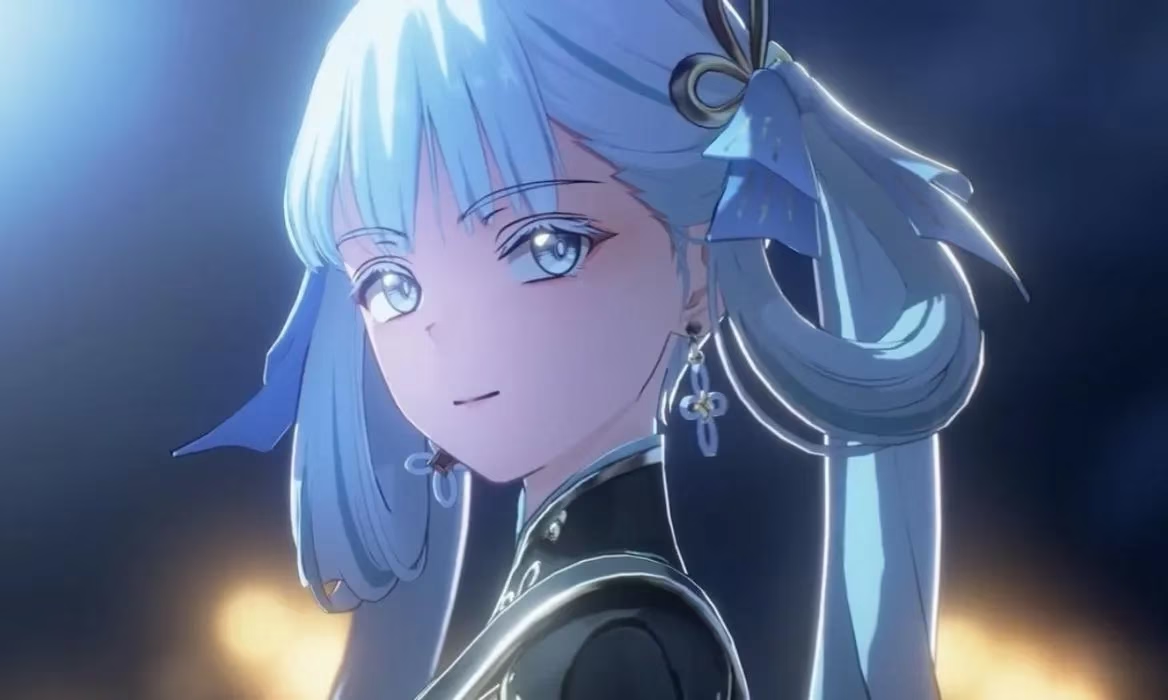
The short version is simple: Wuthering Waves arrived with one of the most talked-about combat systems in the genre, and Kuro Games used the CBT2 feedback to smooth over several rough edges before launch. Some regions saw the game on May 23, 2024, because of time-zone differences, but the global launch window was clear. Pre-registration was already open on Android and iOS, and PC players could wishlist it on the Epic Games Store. Those pre-registration rewards mattered at the time, and they helped turn launch-week curiosity into actual installs.
| Launch snapshot | What players saw in 2024 | How it looks from 2026 |
|---|---|---|
| Release date | May 22, 2024, with some regions on May 23 | The game is an established live-service title, not a launch-day promise |
| Platforms | PC, Android, and iOS | The same core platforms, now judged by update cadence and retention |
| Pre-registration | Rewards were used to build momentum | Launch hype has been replaced by long-term player trust |
| Key pre-launch fixes | Echo changes, story pacing, animations, sound | Those fixes still define the conversation around quality-of-life |
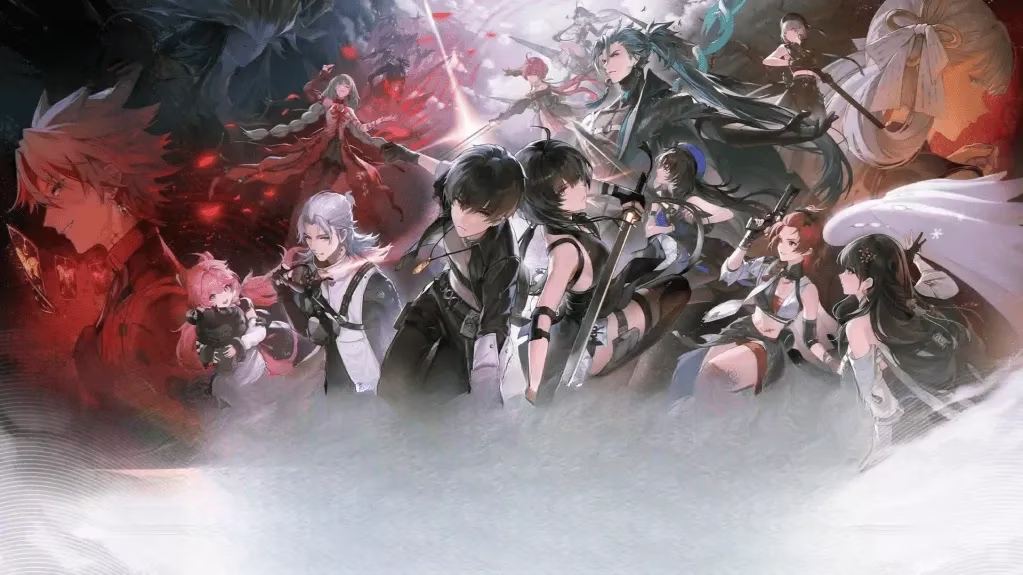
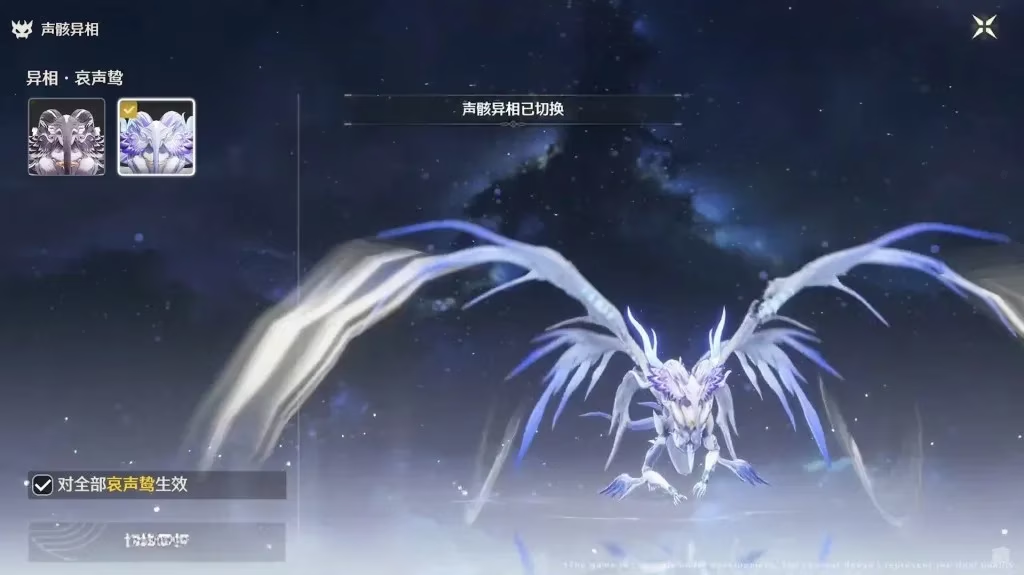
One of the biggest pre-launch changes involved the Echo System. Kuro Games clearly heard the complaints about grinding, and the released version reduced the pain of collecting Echoes. The Data Merge feature let players combine multiple Echoes and receive a random one based on their Data Bank level. That was not a magic fix for every loot complaint, but it was the kind of system-level adjustment that made the daily loop feel less hostile. The Phantom Echo change was even more visible: after capturing Phantom Echoes, players could equip the Phantom skin on all normal Echo counterparts. For a community that cares about builds and fashion alike, that was a smart compromise.
The story and presentation also got attention before launch. Kuro Games rearranged main story quests so progression felt more natural, and the released version introduced several later enemies earlier in the story. That decision gave the early game more variety and made the world feel less like a tutorial corridor. Dialogue animations were another target. Players had complained that characters looked stiff during conversations, and the team reworked those scenes before release. Sound effects for cinematics and in-game action were adjusted too, with the goal of making hits and story beats feel more impactful. These are not flashy bullet points, but they are exactly the details that separate a rough launch from a confident one.
There was also a timing question hanging over the launch. Zenless Zone Zero was expected in 2024, and both games were fishing in the same broad gacha audience. Waiting until after a major HoYoverse release would have been a risky move for Wuthering Waves. Kuro Games likely knew that the window mattered, and launching in May gave the game room to establish its own identity before the next big competitor arrived. From a 2026 view, that calculation looks less like panic and more like survival instinct. The gacha space rewards momentum, and a delayed launch can lose more attention than a slightly imperfect one.
By 2026, Wuthering Waves is judged less on its launch trailer and more on what it has become. Players ask different questions now: Is the combat still deep enough to justify daily play? Are updates generous with time? Does the Echo grind respect the player? Has the story found a rhythm? The answers will vary by player, but the launch-window fixes show that Kuro Games was at least willing to listen before day one. That matters, because live-service games are not saved by a single launch. They are saved by repeated decisions.
So the 2026 takeaway is this: Wuthering Waves was never just a release-date story. It was a test of whether a studio could absorb beta feedback, tighten the grind, improve presentation, and pick a launch window with real competitive pressure. Two years later, that test still feels relevant. The game has moved from hype to habit, and for a gacha RPG, that is the real starting line. 🎮
This overview is based on reporting from Game Informer, a long-running source for game reviews, developer interviews, and industry coverage, and its perspective helps frame Wuthering Waves as more than a launch-week curiosity by emphasizing how combat feel, narrative pacing, and post-release support often determine whether a live-service RPG can convert early hype into lasting player retention.